
Blog
Natural Tourmaline Bracelet: Colors, Meaning & Care

Natural Tourmaline Bracelet: Colors, Meaning & Care
A bracelet should feel like something you chose, not simply something you added to an outfit. Perhaps you are drawn to a particular shade of pink, enjoy the contrast between green and gold, or want a gift that recalls a shared memory.
Choosing a natural tourmaline bracelet starts with that personal connection. However, an attractive photograph is only the beginning. Bead size, wrist fit, material information, and care requirements deserve just as much attention.
This guide explains how to compare colors, understand symbolic meaning, evaluate product details, and choose a bracelet that suits the way you actually dress and live.
What Is Tourmaline?
Tourmaline is a group of related minerals rather than a stone with one fixed color. Differences in chemical composition contribute to its remarkably varied appearance. According to the Gemological Institute of America, gem-quality tourmaline can be pink, red, green, blue, yellow, or nearly colorless, and individual crystals may contain more than one color.
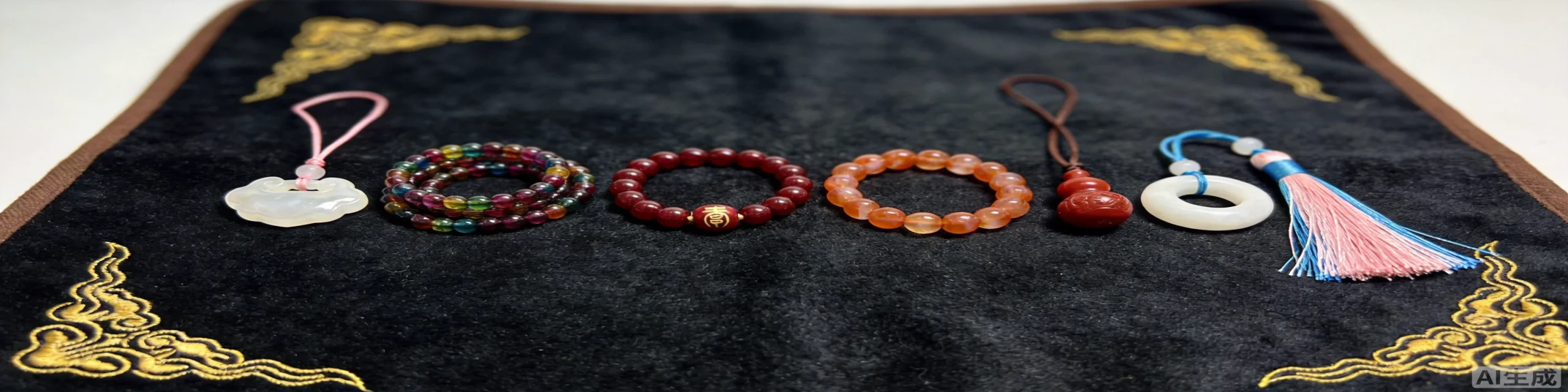
For a bracelet buyer, this variety creates an appealing choice: a coordinated color palette or a more varied arrangement of beads.
Think about which approach feels more natural in your wardrobe. A bracelet built around similar shades creates a restrained impression. A contrasting arrangement makes color a more visible part of the design.
Neither approach is automatically better. The goal is to find an arrangement you enjoy looking at, rather than choosing the largest number of colors available. Start with your preferences, then examine the material and construction behind the appearance.
Find Your Color Palette
Before comparing individual bracelets, decide whether you want the piece to blend into your clothing or become its main accent.
For a softer look, consider pink-led combinations. Try imagining the bracelet beside a cream sweater, a white shirt, or a simple neutral dress. A restrained outfit gives the color room to stand out without competing with it.
For an understated look, explore green-led or darker combinations. You might pair them with linen, denim, charcoal, or other colors already present in your wardrobe. Repeating one shade elsewhere in an outfit can make the bracelet feel intentional.
For a more expressive look, consider a multicolor arrangement. Rather than matching every bead, choose one color from the bracelet and repeat it in a scarf, shirt, or bag.
There is also an important terminology distinction. A bracelet containing separate pink and green beads is not automatically made from watermelon tourmaline. That name classically describes material with a pink center surrounded by green within the same crystal. Gem-A distinguishes this internal color zoning from the broader range of color combinations found in tourmaline.
When a product uses a special variety name, ask what that description refers to. Clear material information is more useful than a colorful label alone.
Meaning and Chinese Heritage
Tourmaline has a documented connection with Chinese decorative arts. GIA records that substantial quantities of pink and red tourmaline from California were historically exported to China, where craftspeople carved the material into snuff bottles and other ornamental pieces.
That history offers a meaningful starting point for appreciating a Chinese-inspired bracelet. It connects the material with craftsmanship and the deliberate use of color.
Personal symbolism can be simpler still. You might choose pink because it recalls a person you love, green because it reminds you of a favorite landscape, or a multicolor arrangement to celebrate different chapters of your life.
These are personal interpretations, not universal rules about what each stone must mean.
For a gift, explain your own connection in a short note. “These colors reminded me of our spring trip” says something more specific than a generic promise of good fortune. The meaning comes from the relationship and the thought behind the choice.
Choose Bead Size and Fit
Bead diameter and bracelet fit are different measurements. Check both before ordering.
For a more delicate appearance, start by comparing smaller beads. For a stronger visual statement, examine larger ones. Try drawing a few circles at the listed diameters on paper to understand the scale instead of relying only on enlarged product photographs.
Next, measure your wrist where you intend to wear the bracelet. Keep the measuring tape close to the skin without pulling it tight, and record the measurement rather than estimating from a previous purchase.
Then ask how the seller defines bracelet size. Does the measurement describe the inner circumference, the length of the strand, or a recommended wrist size? These descriptions should not be treated as interchangeable.
Consider your routine as well. Do you prefer a close fit, or do you enjoy some movement? Will the bracelet sit beside a watch? Do you spend much of the day typing?
Use those answers to discuss fit with the seller. Avoid relying on a universal sizing allowance, especially when comparing bracelets with different bead diameters or constructions.
Look Beyond the Main Photograph
Treat the main product image as an introduction, not the complete specification.
Request a close-up of the beads, a view of the whole bracelet, and an image that shows scale on the wrist. Ask whether the photographs show the exact piece or a representative example.
Natural tourmaline can contain internal features formed during crystal growth. GIA describes inclusions such as fluid-filled cavities and growth tubes. Their presence needs to be considered alongside the stone’s overall appearance rather than interpreted through a simple “perfect or defective” rule.
For a finished bracelet, inspect the workmanship separately. Look for an even polish, a deliberate arrangement, and tidy connections. Ask about any visible chips, rough drill holes, or marks that are difficult to understand from the photographs.
Do not assume that every irregularity proves authenticity. Equally, do not reject a bracelet merely because its beads are not visually identical.
A useful question is: “Can you show this detail more clearly and explain what I am seeing?” The quality of the answer helps you assess the purchase as well as the product.
Understand Natural and Untreated
A natural gemstone can still have undergone treatment after it formed. Cutting and polishing are routine manufacturing steps; other processes may be used to change color or clarity. GIA explains that some treatments are difficult to recognize even for specialists.
Therefore, do not read “natural” as an automatic promise that a stone is untreated.
Ask the seller what is known about the material, whether any treatments have been disclosed, and whether supporting documentation is available. Where an identification report is provided, read its scope carefully. GIA’s colored stone identification reports describe the material and list detectable treatments; that wording matters.
For an important purchase, consider independent identification rather than relying on a photograph or a marketing description. Check that any report corresponds to the item being offered and understand whether it covers an individual stone or the finished piece.
Avoid improvised scratching, heating, or chemical tests. Resolve unanswered questions through documentation and qualified assessment, not by experimenting on the bracelet.
Compare Value, Not Just Price
GIA identifies color as the most important quality factor for tourmaline, while also discussing clarity, cutting, and size. This is a useful reminder that bead diameter alone does not explain a bracelet’s appeal or value.
When comparing two options, write down what you are actually getting. Consider the appearance you prefer, the fit, the finish, the available material information, and the support offered after purchase.
Make comparisons between similar products. A larger bracelet with little documentation is not necessarily a better choice than a smaller one with clear specifications.
Set a budget before browsing and decide which qualities matter most to you. You may prefer subtle color and a comfortable profile over a more dramatic arrangement. Another buyer may value visual contrast above everything else.
Treat the purchase as a personal accessory or gift. Choose something you would enjoy owning without depending on claims about future resale value.
Wear It Your Way
For everyday styling, begin with the bracelet on its own. This makes it easier to judge whether its scale and colors suit your clothing.
With a multicolor design, try a plain shirt or knitwear in a neutral shade. For a more coordinated outfit, repeat one bead color elsewhere rather than attempting to match the entire bracelet.
For an evening look, let the wrist remain relatively uncluttered. A simple sleeve and one carefully chosen accessory can be enough.
You can also experiment with wearing a watch on the opposite wrist. This separates the pieces visually and avoids forcing them into a combination that feels crowded.
There is no need to build an entirely new wardrobe around the bracelet. Before purchasing, think of three outfits you already own that you would wear with it. That small exercise helps distinguish a genuinely useful choice from something that only appeals in a product photograph.
Care for the Whole Bracelet
Tourmaline ranks 7–7.5 on the Mohs hardness scale, but hardness describes scratch resistance rather than immunity to breakage. GIA rates its toughness as fair and warns that heat and sudden temperature changes can cause damage.
For the stone itself, GIA recommends warm, soapy water and advises against ultrasonic and steam cleaners. A finished bracelet may include other components, so confirm that the cleaning method is also suitable for its cord, fittings, and any additional materials.
Follow the seller’s care instructions rather than assuming the entire piece can be soaked. When construction details are unclear, ask before cleaning.
As a practical routine, remove the bracelet before strenuous activities, store it separately, and check its connections periodically. For an elastic design, avoid repeatedly stretching it for no reason.
If a cord looks worn or a connection becomes loose, stop wearing the bracelet until it has been assessed or repaired.
Choose a Thoughtful Gift
Start with the recipient’s taste rather than the symbolism you hope to assign to the stone.
Look at what they already wear. Do they favor small, quiet accessories or bold color? Would they enjoy a mixed palette, or do they usually choose one dominant shade?
Next, confirm the practical details. Check the sizing guidance, packaging options, delivery estimate, and return terms before placing the order. Do not assume these services are included.
Then add a short explanation of your choice. You might connect the bracelet with a birthday, a shared experience, or a new chapter in the recipient’s life.
A thoughtful message does not need to be elaborate. “I chose this because the colors reminded me of you” gives the piece a clear personal meaning without turning it into a promise about what the stone will do.
Pros and Cons
Pros: A tourmaline bracelet offers considerable scope for personal expression through color. You can choose a restrained arrangement or make the bracelet the focal point of an outfit. Its connection with decorative craftsmanship also creates an opportunity to give a gift with a story.
Cons: Online purchasing requires attention to sizing, photography, and material descriptions. A beautiful image does not answer every question about fit or authenticity. The finished bracelet also needs care appropriate to all its components, not just the beads.
The best choice is one whose appearance, specifications, and maintenance requirements all suit you. Consider those aspects together rather than allowing one attractive photograph to decide the purchase.
Explore the JINLIWA Collection
JINLIWA presents its collection through Chinese cultural inspiration, natural materials, and craftsmanship. That direction provides a fitting context for choosing an accessory based on both appearance and personal meaning.
The JINLIWA Natural Tourmaline Essence Bracelet product page lists bead diameter options of 4.5 mm and 5 mm, with a stated circumference of approximately 18 cm. Confirm how that circumference is measured and which option suits your wrist before ordering.
Use these details as a starting point, then ask about the specific piece, its color arrangement, and its care requirements. Choose the version that feels right for you rather than assuming a larger bead is automatically the better option.
Frequently Asked Questions
Can a tourmaline bracelet contain several natural colors?
Yes. Tourmaline has a broad natural color range, and individual crystals may also show color zoning. However, the colors in a photograph do not by themselves establish the identity or treatment status of a particular bracelet.
Which bead size should I choose?
Choose according to the visual scale you prefer and the bracelet’s fit. Compare measurements with an accessory you already own, and request a wrist photograph for context. Do not use bead diameter as a substitute for checking circumference.
Does natural tourmaline mean untreated tourmaline?
No. Natural formation and subsequent treatment are separate questions. Ask what is known about the material and read any available documentation rather than assuming the word “natural” answers both.
Is a tourmaline bracelet a suitable gift?
It can be a thoughtful choice for someone who enjoys colored beads and meaningful accessories. Prioritize the recipient’s preferences, verify sizing and purchase terms, and explain why you selected that particular design.
How should I choose my first bracelet?
Start with a color palette you genuinely enjoy, a fit you have confirmed, and a seller who provides clear information. A natural tourmaline bracelet does not need to be the largest or most elaborate piece available. It should be something you look forward to wearing.