
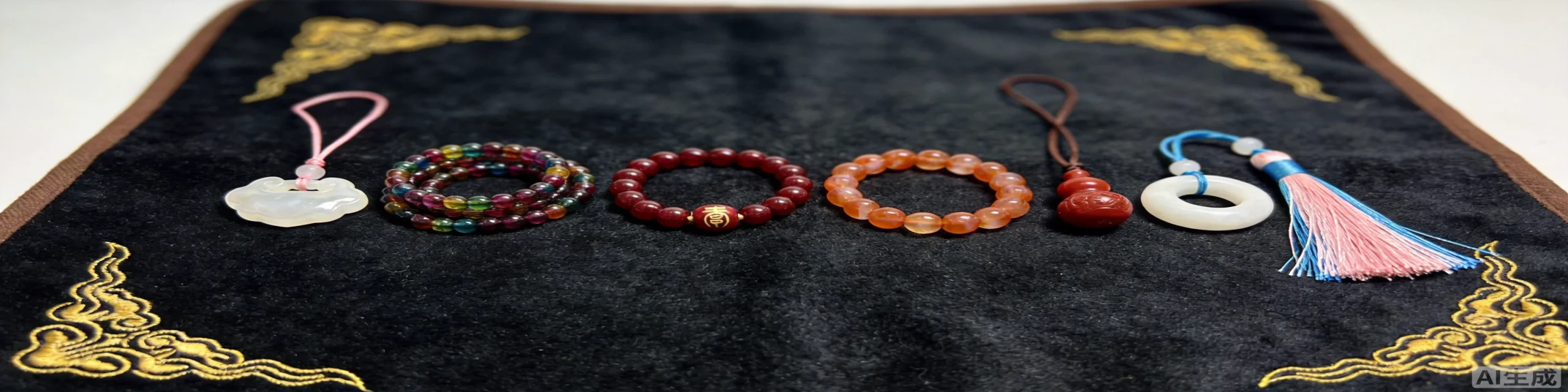
Blog
Natural Tourmaline Bracelet: Colors, Meaning & Care

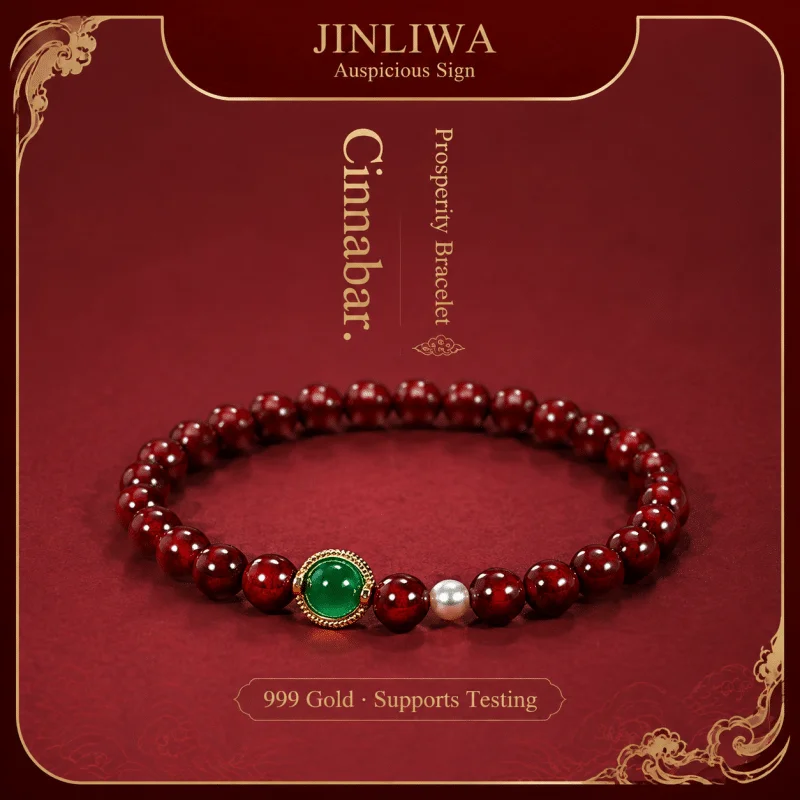
A bracelet should feel like something you chose, not simply something you added to an outfit. Perhaps you are drawn to a particular shade of pink, enjoy the contrast between green and gold, or want a gift that recalls a shared memory.
Choosing a natural tourmaline bracelet starts with that personal connection. However, an attractive photograph is only the beginning. Bead size, wrist fit, material information, and care requirements deserve just as much attention.
This guide explains how to compare colors, understand symbolic meaning, evaluate product details, and choose a bracelet that suits the way you actually dress and live.
What Is Tourmaline?
Tourmaline is a group of related minerals rather than a stone with one fixed color. Differences in chemical composition contribute to its remarkably varied appearance. Gem-quality tourmaline can be pink, red, green, blue, yellow, or nearly colorless, and individual crystals may contain more than one color. gia
For a bracelet buyer, this variety creates an appealing choice: a coordinated color palette or a more varied arrangement of beads.
Think about which approach feels more natural in your wardrobe. A bracelet built around similar shades creates a restrained impression. A contrasting arrangement makes color a more visible part of the design.
Neither approach is automatically better. The goal is to find an arrangement you enjoy looking at, rather than choosing the largest number of colors available. Start with your preferences, then examine the material and construction behind the appearance.
Find Your Color Palette
Before comparing individual bracelets, decide whether you want the piece to blend into your clothing or become its main accent.
For a softer look, consider pink-led combinations. Try imagining the bracelet beside a cream sweater, a white shirt, or a simple neutral dress. A restrained outfit gives the color room to stand out without competing with it.
For an understated look, explore green-led or darker combinations. You might pair them with linen, denim, charcoal, or other colors already present in your wardrobe. Repeating one shade elsewhere in an outfit can make the bracelet feel intentional.
For a more expressive look, consider a multicolor arrangement. Rather than matching every bead, choose one color from the bracelet and repeat it in a scarf, shirt, or bag.
There is also an important terminology distinction. A bracelet containing separate pink and green beads is not automatically made from watermelon tourmaline. That name classically describes material with a pink center surrounded by green within the same crystal. Gem-A distinguishes this internal color zoning from the broader range of color combinations found in tourmaline. Gem-A
When a product uses a special variety name, ask what that description refers to. Clear material information is more useful than a colorful label alone.
Meaning and Chinese Heritage
Tourmaline has a documented connection with Chinese decorative arts. GIA records that substantial quantities of pink and red tourmaline from California were historically exported to China, where craftspeople carved the material into snuff bottles and other ornamental pieces. gia
That history offers a meaningful starting point for appreciating a Chinese-inspired bracelet. It connects the material with craftsmanship and the deliberate use of color.
Personal symbolism can be simpler still. You might choose pink because it recalls a person you love, green because it reminds you of a favorite landscape, or a multicolor arrangement to celebrate different chapters of your life.
These are personal interpretations, not universal rules about what each stone must mean.
For a gift, explain your own connection in a short note. “These colors reminded me of our spring trip” says something more specific than a generic promise of good fortune. The meaning comes from the relationship and the thought behind the choice.
Choose Bead Size and Fit
Bead diameter and bracelet fit are different measurements. Check both before ordering.
For a more delicate appearance, start by comparing smaller beads. For a stronger visual statement, examine larger ones. Try drawing a few circles at the listed diameters on paper to understand the scale instead of relying only on enlarged product photographs.
Next, measure your wrist where you intend to wear the bracelet. Keep the measuring tape close to the skin without pulling it tight, and record the measurement rather than estimating from a previous purchase.
Then ask how the seller defines bracelet size. Does the measurement describe the inner circumference, the length of the strand, or a recommended wrist size? These descriptions should not be treated as interchangeable.
Consider your routine as well. Do you prefer a close fit, or do you enjoy some movement? Will the bracelet sit beside a watch? Do you spend much of the day typing?
Use those answers to discuss fit with the seller. Avoid relying on a universal sizing allowance, especially when comparing bracelets with different bead diameters or constructions.
Look Beyond the Main Photograph
Treat the main product image as an introduction, not the complete specification.
Request a close-up of the beads, a view of the whole bracelet, and an image that shows scale on the wrist. Ask whether the photographs show the exact piece or a representative example.
Natural tourmaline can contain internal features formed during crystal growth. GIA describes inclusions such as fluid-filled cavities and growth tubes. Their presence needs to be considered alongside the stone’s overall appearance rather than interpreted through a simple “perfect or defective” rule. gia
For a finished bracelet, inspect the workmanship separately. Look for an even polish, a deliberate arrangement, and tidy connections. Ask about any visible chips, rough drill holes, or marks that are difficult to understand from the photographs.
Do not assume that every irregularity proves authenticity. Equally, do not reject a bracelet merely because its beads are not visually identical.
A useful question is: “Can you show this detail more clearly and explain what I am seeing?” The quality of the answer helps you assess the purchase as well as the product.
Understand “Natural” and “Untreated”
A natural gemstone can still have undergone treatment after it formed. Cutting and polishing are routine manufacturing steps; other processes may be used to change color or clarity. GIA explains that some treatments are difficult to recognize even for specialists. gia
Therefore, do not read “natural” as an automatic promise that a stone is untreated.
Ask the seller what is known about the material, whether any treatments have been disclosed, and whether supporting documentation is available. Where an identification report is provided, read its scope carefully. GIA’s colored stone identification reports describe the material and list detectable treatments; that wording matters. gia
For an important purchase, consider independent identification rather than relying on a photograph or a marketing description. Check that any report corresponds to the item being offered and understand whether it covers an individual stone or the finished piece.
Avoid improvised scratching, heating, or chemical tests. Resolve unanswered questions through documentation and qualified assessment, not by experimenting on the bracelet.
Compare Value, Not Just Price
GIA identifies color as the most important quality factor for tourmaline, while also discussing clarity, cutting, and size. This is a useful reminder that bead diameter alone does not explain a bracelet’s appeal or value. gia
When comparing two options, write down what you are actually getting. Consider the appearance you prefer, the fit, the finish, the available material information, and the support offered after purchase.
Make comparisons between similar products. A larger bracelet with little documentation is not necessarily a better choice than a smaller one with clear specifications.
Set a budget before browsing and decide which qualities matter most to you. You may prefer subtle color and a comfortable profile over a more dramatic arrangement. Another buyer may value visual contrast above everything else.
Treat the purchase as a personal accessory or gift. Choose something you would enjoy owning without depending on claims about future resale value.
Wear It Your Way
For everyday styling, begin with the bracelet on its own. This makes it easier to judge whether its scale and colors suit your clothing.
With a multicolor design, try a plain shirt or knitwear in a neutral shade. For a more coordinated outfit, repeat one bead color elsewhere rather than attempting to match the entire bracelet.
For an evening look, let the wrist remain relatively uncluttered. A simple sleeve and one carefully chosen accessory can be enough.
You can also experiment with wearing a watch on the opposite wrist. This separates the pieces visually and avoids forcing them into a combination that feels crowded.
There is no need to build an entirely new wardrobe around the bracelet. Before purchasing, think of three outfits you already own that you would wear with it. That small exercise helps distinguish a genuinely useful choice from something that only appeals in a product photograph.